
Insights
What Is Transloading? A Plain-English Guide (and How It Differs from Warehousing)
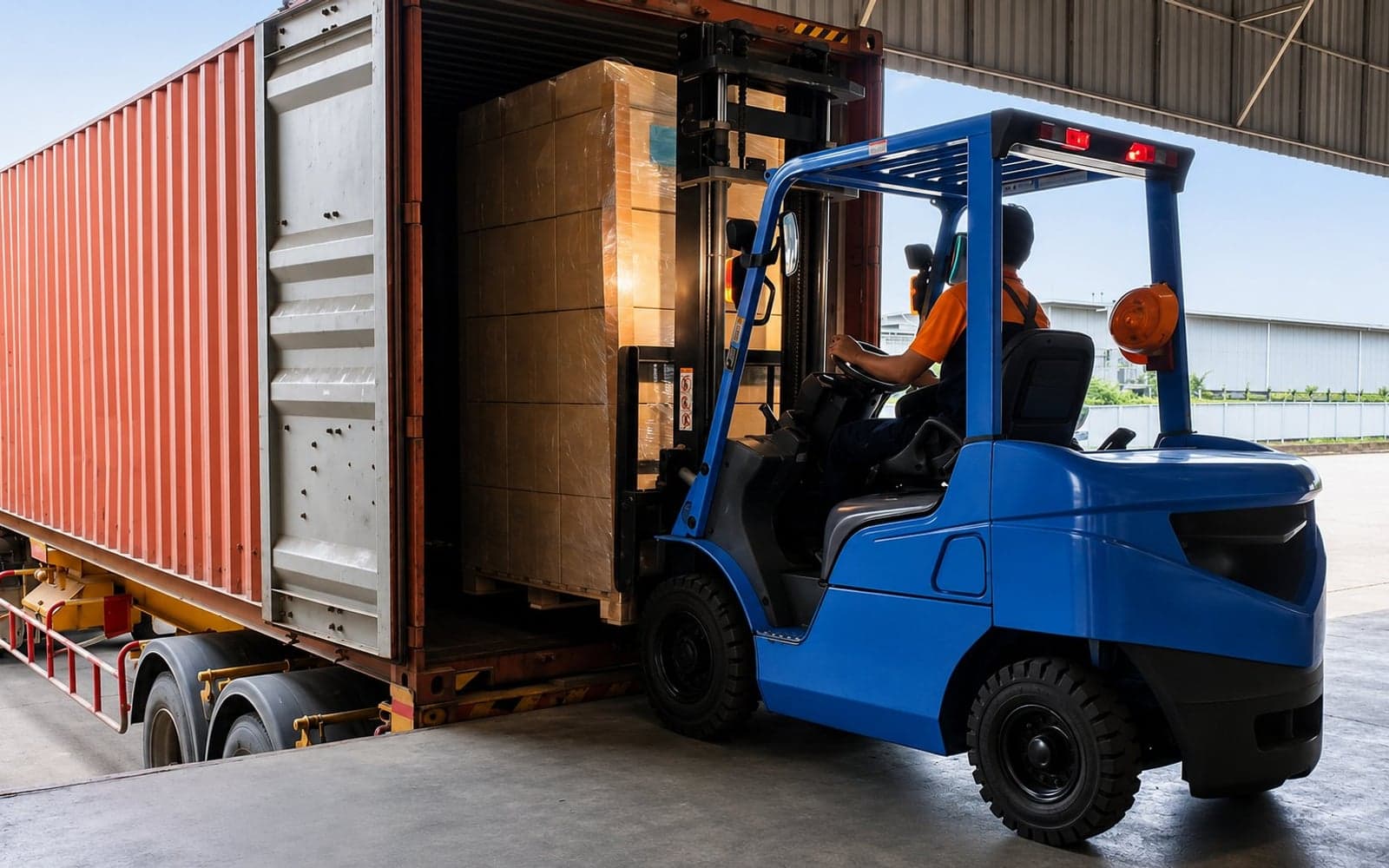
Transloading is the process of transferring freight from one mode of transportation to another — for example, from an ocean container onto domestic trucks, or from rail to truck. The goal is simple: keep cargo moving toward its destination instead of letting it sit.
The short answer
When an import container arrives at a port, it doesn't always make sense to truck that same container all the way to its final destination. Instead, the cargo is unloaded at a nearby facility and reloaded onto domestic equipment — trailers, boxes, or another container — that's better suited for the inland leg. That transfer is transloading.
It works in the other direction too. For exports, transloading consolidates inbound freight from multiple sources into outbound ocean containers that are staged and ready for the port.
When does transloading make sense?
Transloading is worth considering in a few common situations:
- Import deconsolidation and distribution. You bring in a full ocean container, then split the cargo across domestic trucks for regional delivery to different destinations.
- Export consolidation. You combine several inbound shipments into one outbound ocean container.
- Turning ocean containers back quickly. Ocean containers are carrier equipment, and holding them too long triggers per diem and detention charges. Transloading lets you move cargo onto domestic equipment fast and return the container.
- Equipment or weight optimization. Domestic trailers and ocean containers have different size and weight rules. Transloading lets you load each leg to its own best advantage.
Transloading vs. warehousing — what's the difference?
This is the question we hear most. The distinction is straightforward:
- Transloading moves cargo between transportation modes. It's a transfer, often a same-day or short-stop activity.
- Warehousing stores cargo for a period of time — staging, overflow, or distribution support.
Many shipments use both: a transload to get cargo off the ocean container, plus a little warehouse space to stage it between legs. The two are complementary, not interchangeable. If your cargo mainly needs to keep moving, that's transloading. If it needs a place to wait, that's warehousing.
What does Conveyco offer?
Conveyco coordinates transloading and warehousing nationwide:
- Transloading is arranged through our vetted partner network at virtually any U.S. port, rail ramp, or inland point — we coordinate the transfer, the timing, and the trucking around it, so you're not managing multiple vendors.
- Warehousing — flexible warehouse space (roughly 10,000 square feet) at our Burnsville, Minnesota facility for short-term staging, overflow, and distribution support.
Because we also coordinate the ocean freight, drayage and trucking, and rail around the transload, the timing lines up — the transload is scheduled against the drayage appointment and the onward delivery, not booked in isolation. We also coordinate customs clearance through a licensed customs broker partner so documentation and timing stay in sync.
How transloading fits a typical import move
Here's how the pieces connect on a typical inbound shipment:
- The ocean container arrives at the port and clears customs (coordinated through our broker partner).
- Drayage moves the container from the terminal to a transload facility.
- Cargo is transferred from the ocean container onto domestic trucks.
- The empty ocean container goes back to the carrier — quickly, to avoid extra charges.
- Domestic trucking carries the freight to its final destination, with real-time tracking along the way.
Every one of those steps is a hand-off, and hand-offs are where time and money leak. Coordinating them under one roof is the whole point.
Is transloading right for your shipment?
If you're importing full containers for regional distribution, consolidating exports, or trying to avoid per diem and detention, transloading is probably worth a look. The best way to know is to talk through your specific lane and cargo.
Request a quote with your origin, destination, and commodity, or read more about the difference between FCL and LCL to understand how your cargo is containerized in the first place.